
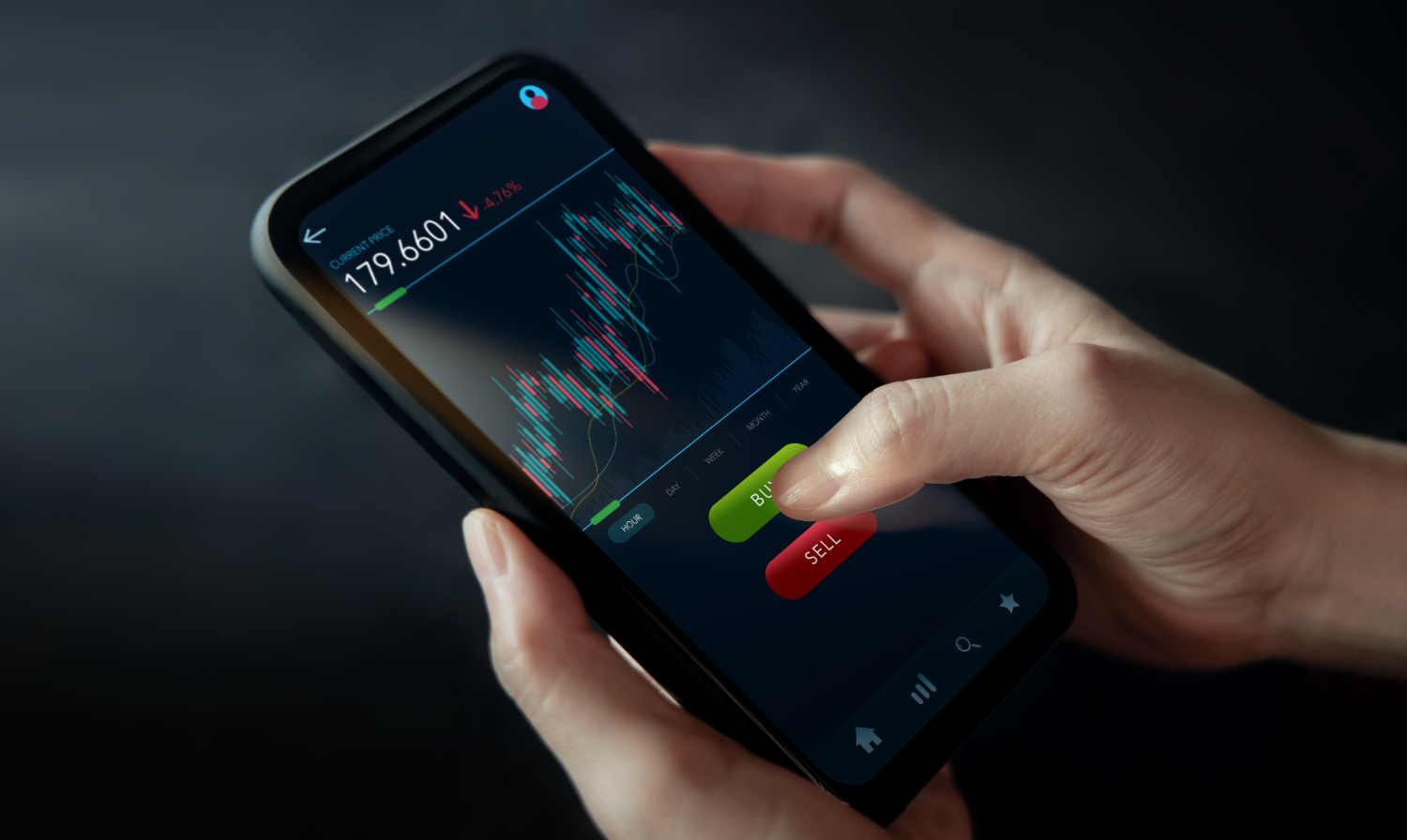
Forex trading has gained considerable traction in India, significantly transforming the financial landscape for many aspiring investors. The emergence of innovative trading platforms has enabled individuals to engage in a global marketplace from the comfort of their own homes. This article examines the advantages these platforms provide, including convenience and expanded market opportunities, while also addressing the challenges and risks associated with trading, such as regulatory concerns and market volatility. Furthermore, guidelines for selecting a reliable trading platform will be presented, ensuring that one’s trading journey remains secure and successful. Readers are invited to explore how to effectively navigate the dynamic realm of Forex trading in India.
Overview of Forex Trading in India
Forex trading in India has developed into a crucial aspect of the nation’s financial markets, indicating the rising interest of retail investors and the potential for economic expansion.
With advancements in financial technology and increased accessibility to online trading platforms, a greater number of individuals are recognising the opportunities afforded by currency exchange, thereby allowing them to engage actively in global markets.
As the Indian economy continues to progress, it is imperative to comprehend the dynamics of Forex trading, including market liquidity, volatility, and trading strategies, to achieve successful investment outcomes.
The Rise of Forex Trading Platforms
In recent years, the emergence of Forex trading platforms has significantly transformed the manner in which investors participate in digital trading, offering a diverse array of tools and resources designed for both novice and experienced traders. These platforms feature user-friendly interfaces and innovative functionalities, which enhance the user experience and streamline the trading process. As Forex brokers strive to attract retail investors, the assortment of trading applications available has expanded, enabling individuals to trade on the go and access real-time market data.
The evolution of these platforms has not only prioritised user-friendly designs but also emphasised robust security measures to safeguard traders’ information and funds. For example, platforms such as MetaTrader 5 are distinguished by their advanced charting tools and algorithmic trading capabilities, catering specifically to serious investors. In contrast, Forex.com excels in delivering exceptional customer support and educational resources, making it an appealing choice for beginners. The incorporation of comprehensive market analysis tools further enhances trading performance, providing users with a competitive advantage in their decision-making processes.
With features such as mobile access and customisable interfaces, the accessibility and sophistication of modern Forex platforms represent a significant advancement in the trading landscape.
Benefits of Forex Trading Platforms
Forex trading platforms provide a multitude of benefits designed to meet the evolving needs of traders, effectively combining convenience and accessibility with enhanced market opportunities. As financial technology progresses, traders gain seamless access to a diverse array of currency pairs, enabling them to execute trades efficiently while benefiting from increased liquidity and volatility within the Forex market. These advantages not only reduce entry barriers for retail investors but also facilitate more informed trading decisions through comprehensive market analysis and trading signals.
Convenience and Accessibility
The convenience and accessibility provided by modern Forex trading platforms have significantly transformed the investment landscape, enabling traders to engage in online trading from virtually any location. With the advent of mobile trading capabilities, investors can monitor market trends, execute trades, and access their trading accounts directly from their smartphones, ensuring they do not miss critical trading opportunities.
This level of accessibility has become essential for retail investors, allowing them to remain connected to financial markets while on the move. Furthermore, the proliferation of mobile applications has enabled traders to respond rapidly to market fluctuations, offering a considerable advantage in a fast-paced environment. Consequently, user engagement has increased, with individuals increasingly utilising these platforms to access real-time data and advanced trading features. Additionally, the reduction in trading commissions associated with online platforms has enhanced the appeal of Forex trading, attracting a diverse range of participants. This trend not only cultivates a more vibrant trading community but also improves the overall liquidity of the market, facilitating more dynamic price movements and trading opportunities.
Increased Market Opportunities
The expanded market opportunities provided by Forex trading platforms have enabled retail investors to diversify their investment portfolios and implement various trading strategies that are aligned with current economic policies and market conditions. As traders acquire deeper insights into the dynamics of the Forex market, they are able to capitalise on fluctuations in exchange rates and economic indicators, thus enhancing their potential for profitable trades. This adaptability and responsiveness to market trends have become essential for achieving success in the competitive realm of Forex trading.
Among the various strategies employed, hedging has emerged as a fundamental method for managing risk, enabling traders to safeguard their investments against adverse market movements. The proliferation of automated trading systems has further equipped investors to execute trades with precision and speed, utilising sophisticated algorithms that analyse vast quantities of data.
By engaging in comprehensive market research and continuously monitoring relevant indicators, traders can make informed decisions that enhance their trading performance while strengthening their risk management practices. This evolving landscape of market opportunities continues to attract an increasing number of participants keen to explore the potential for significant returns.
Challenges and Risks of Forex Trading Platforms
Forex trading platforms provide a range of advantages; however, they also introduce distinct challenges and risks that traders must carefully navigate to achieve success in this volatile market. Regulatory concerns related to Forex trading in India may present obstacles for investors, affecting their access to certain trading tools and strategies. Furthermore, the inherent volatility of the Forex market necessitates the implementation of effective risk management techniques to protect investment portfolios and mitigate potential losses.
Regulatory Concerns
Regulatory concerns significantly influence Forex trading, shaping the manner in which traders operate within the market and affecting their adherence to local laws. In India, Forex trading regulations are established to protect investors and promote fair practices; however, navigating these regulations can be intricate, particularly with respect to taxation and capital gains.
A thorough understanding of the legal framework governing Forex trading is essential for retail investors aiming to participate in this dynamic financial market. Forex traders in India frequently encounter specific challenges, such as acquiring the requisite licences to operate legally in accordance with the guidelines set forth by the Reserve Bank of India (RBI) and the Securities and Exchange Board of India (SEBI).
These regulatory authorities impose stringent requirements designed to enhance user trust and uphold market integrity. Moreover, compliance with the complex taxation rules concerning Forex gains can present considerable obstacles that may influence overall profitability. Adhering to local laws, including Anti-Money Laundering (AML) regulations, is critical for establishing an effective customer acquisition strategy, as prospective clients are more likely to favour brokers who demonstrate a commitment to legal compliance and ethical trading practices.
Volatility and Risk Management
The volatility of the Forex market presents considerable challenges for traders, necessitating the implementation of robust risk management strategies to prevent substantial losses. To effectively navigate this unpredictable environment, traders must employ a range of techniques, including the analysis of trading signals and the recognition of trading patterns, which can assist in mitigating risks and enhancing decision-making processes. A comprehensive understanding of the psychological aspects of trading is also essential for maintaining discipline and effectively managing emotions during periods of heightened volatility.
Plus these strategies, the incorporation of appropriate trading tools, such as stop-loss and take-profit orders, can provide an additional layer of protection for investments. These tools allow traders to establish predefined limits, thereby reducing potential losses and securing profits automatically when specific price levels are reached.
Conducting thorough market analysis, encompassing both fundamental and technical evaluations, is vital for making informed decisions. By remaining informed about economic indicators and market trends, traders can adjust their strategies accordingly, thereby optimising their trading performance and enhancing their understanding of market dynamics.
Tips for Choosing a Reliable Forex Trading Platform
Selecting a reliable Forex trading platform is essential for ensuring a seamless trading experience and optimising investment potential. As the number of available options continues to expand, traders are required to conduct comprehensive research and due diligence to identify platforms that align with their specific trading needs and objectives.
Important factors to consider include:
- User experience
- Security features
- Customer support
- The variety of trading tools offered
Research and Due Diligence
Conducting thorough research and due diligence is imperative when evaluating a Forex trading platform. This process enables investors to make informed decisions based on several factors, including performance metrics and user reviews. By comparing different platforms, traders can assess their features, fees, and offerings, ensuring the selection of a platform that aligns with their trading strategies and objectives. Staying informed about advancements in financial technology can provide valuable insights into innovative tools that enhance the trading experience.
One effective approach for traders is to thoroughly examine user reviews and testimonials, which can yield significant insights into the experiences of others using the platform. Additionally, it is beneficial to review market analyses and expert opinions that assess performance metrics, ultimately guiding investors towards platforms that demonstrate robust trading accounts coupled with competitive costs.
Another strategy involves comparing essential features such as order execution speeds and available trading instruments to ensure alignment with the trader’s goals. Engaging with online forums or communities can further enrich one’s understanding by revealing discussions about user engagement and support services, leading to a more comprehensive evaluation of potential platforms.